The ruling is expected to make it more difficult for future maps to be challenged on the basis of racial discrimination.
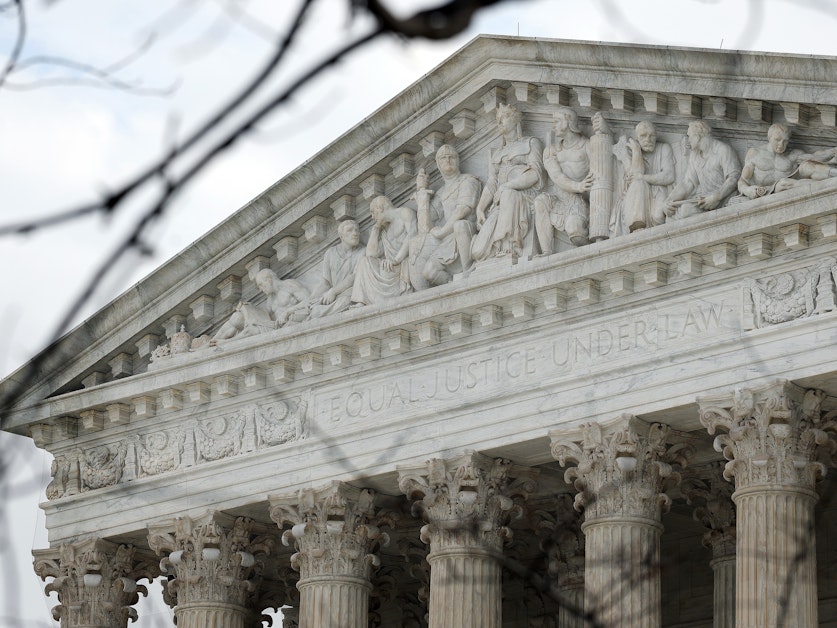
On Wednesday, the Supreme Court issued a ruling limiting the Voting Rights Act by declaring a Louisiana gerrymander unconstitutional.
Justice Samuel Alito wrote the majority opinion for the six conservative justices. The court’s three liberal justices dissented.
The majority opinion returns the case to the lower court for further proceedings but does not include any instructions about whether the map should be withdrawn prior to the midterm election.
The recent ruling will make it more difficult for plaintiffs to challenge redistricting plans on the basis of racial discrimination.
Louisiana’s congressional plan was ruled to be an unconstitutional use of race by the court. The plan created a second majority-minority district in the states and the resulting Voting Rights Act challenge reached the Supreme Court. The ruling is expected to have a substantial effect across the country beginning in 2028.
The court struck down a Louisiana map that would have created a Black-majority district ahead of the 2026 midterm election.
In a statement issued on Wednesday, Louisiana Attorney General Liz Murrill said she would work with the state’s legislature and Governor Jeff Landry on how to move forward with a “constitutionally compliant map.”
Early voting is set to begin in Louisiana on Saturday. Redrawing congressional maps would impact the May 16 primary.
In the majority opinion, Alito said that for plaintiffs to succeed in a Voting Rights Act case, they would need to demonstrate that it would be possible to draw the majority-minority district in a map that met all of the other goals of the legislature in drawing that plan. This would include partisan goals.
Alito also said that plaintiffs must show that a majority group votes as a bloc in ways that are distinct from party affiliation.
Across the country, states could take this opportunity to quickly redraw lines ahead of primaries that have not happened yet. This could include Pennsylvania.
Republican-controlled states will likely be inclined to see if there are any opportunities to redraw any majority-minority districts that they were forced to draw under the Voting Rights Act.
Democratic states will likely face lawsuits for trying to preserve their current plans that utilized race to draft, as these plans violate Wednesday’s ruling.