The June 30 budget deadline is fast approaching in Harrisburg. Negotiations between lawmakers are ramping up.
Not one of Governor Shapiro’s state budgets have been delivered by the deadline during his time in office. The budget for the current fiscal year was signed into law this past November, months after the annual June deadline.
Another June 30 deadline is fast approaching for the 2026-2027 fiscal year state budget. Negotiations in Harrisburg are ramping up as lawmakers work to strike deals on several priorities.
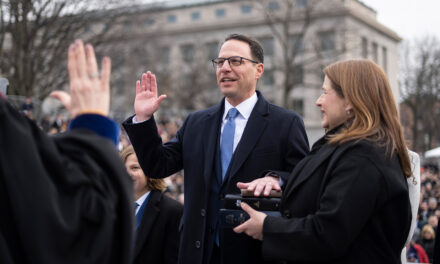
After the governor’s budget address in February, he convened a meeting with top lawmakers from both parties to discuss a path forward.
“We all recognize it took too long last year – and that had real impacts on Pennsylvanians. But we learned some valuable lessons through the process. We learned that we all need to be at the table, and that we all need to be at the table sooner,” Governor Shapiro said.
Large questions loom over the current budget negotiation process. Governor Shapiro and lawmakers are facing a structural budget imbalance that projects the state’s expenses to exceed revenues over the next several years.
In Shapiro’s 2026 budget proposal, he highlighted three potential sources of revenue to solve the state’s spending problem. The ideas are being met with pushback in Harrisburg.
Legalizing recreational marijuana, regulating skill game machines, and increasing the minimum wage were proposed by Shapiro in his budget address. He said that legalizing marijuana would generate $200 million in annual sales tax revenue.
Shapiro’s minimum wage proposal entails raising the state’s minimum wage from $7.25 to $15 per hour beginning in 2027. He projects that this change would generate an additional $80 million in annual tax revenue. His proposal includes a 52% tax on gross terminal revenues from skill games, which he predicts would bring in more than $2 billion annually.
The revenue proposals come after a fiscal report released by Pennsylvania’s Independent Fiscal Office projected that the state faces a structural deficit of $3.65 billion for the 2025-2026 fiscal year. By 2030, the report predicts that the deficit will grow to more than $7.5 billion.
Another controversial proposal by Shapiro is utilizing the state’s Rainy Day Fund to balance the 2026-2027 structural deficit. The proposal calls for $4.5 billion to be transferred from the fund to balance the budget. The reserves in the Rainy Day Fund could be exhausted by the 2027-2028 fiscal year if this strategy is used to balance the state’s budget.
Lawmakers in Harrisburg have a long way to go before the June 30 deadline. Only time will tell if Governor Shapiro can get a budget across the finish line before the deadline and fix the state’s spending problem.