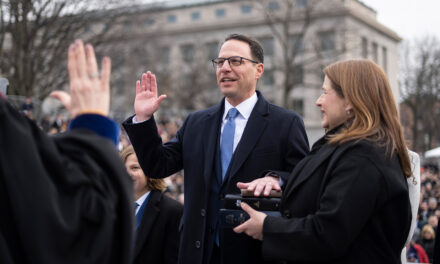
As families increasingly seek out more flexible schooling options, the Trump administration is pressuring Gov. Shapiro to oblige demands for education freedom.
New data from the Pennsylvania Department of Education shows that homeschooling is expanding statewide as families increasingly seek alternatives to traditional public education.
A recent report indicates that homeschooling enrollment has risen sharply in Pennsylvania since 2019, with central counties like Lancaster and York seeing the largest gains statewide. Pennsylvania’s homeschooling increase tracks with national trends, which saw a jump of 2.5 million K-12 homeschoolers between 2019 and 2024.
The data covers the transition from pre-pandemic homeschooling rates to the aftermath of the Covid-19 education shakeup, revealing how families shifted toward more flexible education. Homeschool advocates note that the format allows families to tailor lessons to students’ specific needs, including pacing and subject focus, while also offering opportunities for faith-based or values-centered instruction.
The PA Department of Education took a defensive stance on the homeschooling data, saying in a statement, “While the number of home-educated and privately tutored students remains higher today than pre-pandemic years, about 97.42 percent of students attended their public school district in 2024-25.”
Pennsylvania’s homeschooling growth spurt has coincided with ongoing debates over school choice and education policy both in the state and nationally. President Donald Trump’s education agenda has emphasized expanding options for families, including through support for school choice initiatives and homeschooling.
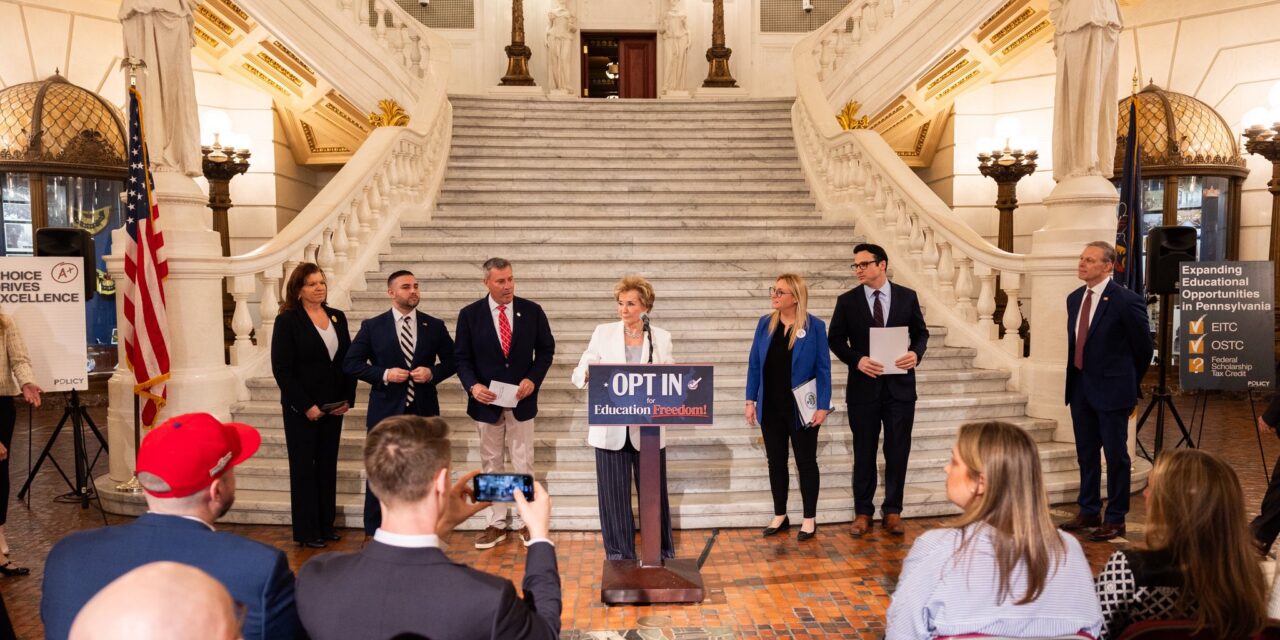
During a recent visit to Pennsylvania, U.S. Education Secretary Linda McMahon called on Gov. Josh Shapiro to participate in a federal school choice initiative known as the Education Freedom Tax Credit. The program is designed to provide scholarships that families can use for private schooling, tutoring or other educational services.
McMahon said the program would expand opportunities for eager families seeking alternatives to traditional public schools. She quipped that “it’s unfortunate that despite this vigorous, widespread support, Gov. Shapiro has hesitated to voice his support for this transformative program.”
Lawmakers and education advocates at the event urged Shapiro to join the program, arguing it would give parents additional tools to direct their children’s education.
Shapiro has previously expressed mixed positions on school choice. He initially supported a Republican-backed proposal to allocate funding for private school tuition but later withdrew support amid opposition within his party during state budget negotiations. Critics from multiple sides have since called on the governor to take clearer action on expanding education options.
The Trump administration has also demonstrated an interest in the role of emerging technologies to advance homeschooling. First Lady Melania Trump has promoted the use of artificial intelligence both in classrooms and in home education, describing it as a tool that can broaden access to high-quality instruction.
In a recent opinion piece, she wrote that AI-powered tools can provide personalized tutoring and help students learn at their own pace, potentially giving children in underserved communities access to resources previously limited to wealthier families.
Her push has drawn responses from teachers’ unions, including the National Education Association, which argues that technology cannot replace human educators. The union stated that while AI can support learning, personal interaction remains central to effective teaching.